Radon mitigation systems for Windsor-Essex homes

A radon mitigation system is a pipe through your basement floor and a small fan. The fan pulls radon from under the house and sends it outside, before it can get in. Health Canada (opens in a new tab) calls this sub-slab depressurization, and it's the most common way to lower radon.

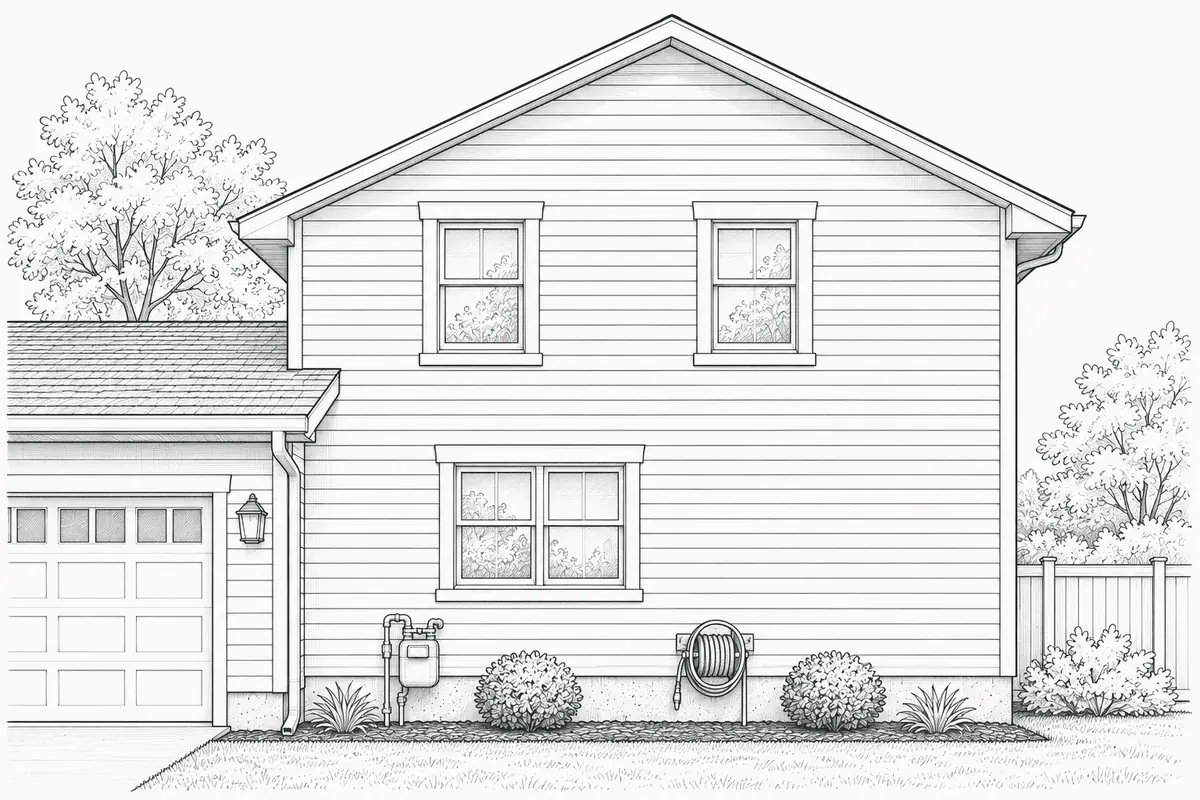
The side of a two-storey house, with one route a radon pipe can take outside.
  1. 1Radon in the soil It rises from the ground.
  2. 2A fan pulls it up It runs all the time, drawing radon from under the basement floor.
  3. 3Out through a wall or the roof The pipe vents radon outside, most often through a basement wall.

How a radon system works

The pipe and the fan

A pipe goes through your basement floor and runs outside, through a wall or up through the roof line. A fan on the pipe runs 24/7. It pulls radon from the soil under the floor and sends it up the pipe and out, so less of it gets into your home.

What the gauge tells you

Day to day, the part you'll look at is the gauge. The gauge on the pipe shows the suction the fan makes, not your radon level. Only a test shows that. Check it now and then. If it moves out of its normal range, call a C-NRPP (opens in a new tab) mitigation professional.

Every system we put in has one.

A radon system in a basementRadon in the soil under the basement floor is drawn into a pipe, which runs up the wall, out through the wall above the ground and up the outside of the house, with a fan on the outside pipe and a gauge on the pipe inside.12345
  1. 1Radon in the soil. The fan pulls it from under the floor.
  2. 2Pipe through the floor.
  3. 3Gauge. It shows the suction the fan makes, not your radon level.
  4. 4Fan. It runs all the time.
  5. 5Vented outside.

Do you need one?

What a system costs

A typical system from us starts at $3,000 plus HST. For context: In a 2019 to 2020 national contest run by Take Action on Radon (opens in a new tab), 256 homeowners who'd had a C-NRPP (opens in a new tab) professional put in a radon system reported paying $2,718 on average. That's one contest's average, not a price survey. Once a system's in, follow-up tests check that your number came down.

A typical radon system

From $3,000 plus HST

  • Pressure field diagnostics with a digital micromanometer, to size the fan
  • A RadonAway or Fantech fan
  • Pipe and labour
  • A manometer (the gauge) on every system
  • The permit
  • Sealing of the openings named in your quote, such as sump pits, backwater valves, floor drains and major cracks
  • Labelling, operating checks and cleanup
  • A 91-day lab test after the install

Already have a radon rough-in? Turning it into a working system starts at $2,600 plus HST when there's no sump pump.

We always quote after a visit. There's no charge for the in-home assessment or the written quote. We email the quote, and it's good for 30 days.

What moves the price: access, how far the pipe runs to where it vents, crawl spaces, and the age of the sump pump. Health Canada (opens in a new tab) says radon can be lowered "at a cost similar to other common home improvements." More on our prices page.

What install day looks like

  1. Who comes and how long it takes

    Our own crew does the work, in about half a day.

  2. Getting ready

    Please clear the basement and the work area before we arrive.

  3. Where the pipe goes

    We pick the route with you before we start. The most common route vents out through a basement wall.

  4. Noise, dust and drilling

    Expect noise, dust and drilling, and a smell from the polyurethane.

Get a mitigation quote

The form asks for your test result, so have it handy.

How you'll know it worked

  1. A 91-day lab test, included

    Shortly after the install, we place a long-term detector in your home. It stays about 91 days, then an independent lab analyzes it. You get the lab results and a homeowner information package.

  2. Below 100 Bq/m³ is the target

    Every system we put in is designed with a target of below 100 Bq/m³, well below Health Canada's guideline of 200. If your results come back higher than expected, we come back, check the system and work to bring your levels down.

  3. A retest every 5 years

    Health Canada says a home with a system should be tested again every 5 years.

C-NRPP also suggests your own long-term test in the next heating season.

Our lowest result after a system went in came back as 15 Bq/m³ or less, the lowest the lab reports. About that result.

Looking after your system

Check the gauge now and then. Retest every 5 years. Test again in the next heating season after any renovation that changes the structure or the ventilation of your home.

Not sure if you're due? The retest checker (opens in a new tab) on the Canadian Radon Services Index (opens in a new tab) asks about your last test and any work on the house since, then tells you if Health Canada says to test again.

The fan has a 5-year manufacturer's warranty. A replacement fan starts at $400 plus HST. If we supply and install a sump pump, it has a 1-year warranty.

Already have a system?

Maybe the gauge has moved out of its normal range, the fan has stopped, or someone else put the system in. C-NRPP says to call a C-NRPP mitigation professional if the gauge leaves its normal range.

We service, repair and retest systems other installers put in, from $300 plus HST.

Just bought a home with a system? Buying or selling covers what to ask and what to look for.

How to check a radon contractor

What to ask a contractor

C-NRPP suggests asking for proof of certification and insurance, photos of past work, a plan and schedule for the work, and a test afterward that shows the level came down. We'd add one more: who runs that test, and is it in the price? Ours is a 91-day lab test, and it's in the price.

You can check us the same way. Our radon professional is C-NRPP certified for residential radon measurement and residential mitigation. The mitigation certificate is 202898, valid to July 1, 2028. We're fully insured. We're also on the Canadian Radon Services Index (opens in a new tab). About us has the rest.

Get a mitigation quote

Send us your test result, and we'll tell you what a system would look like for your home. We answer every call and form message ourselves, within 24 hours.

Get a mitigation quote

Or call 519-991-8180

Monday to Friday, 9am to 5pm. Saturday by appointment.